Concept and Mechanism
The QR code (short for Quick Response Code) is a type of two-dimensional matrix barcode. This technology was pioneered in 1994 by Masahiro Hara at Denso Wave, a Japanese corporation, with the initial objective of tracking automotive parts during manufacturing. 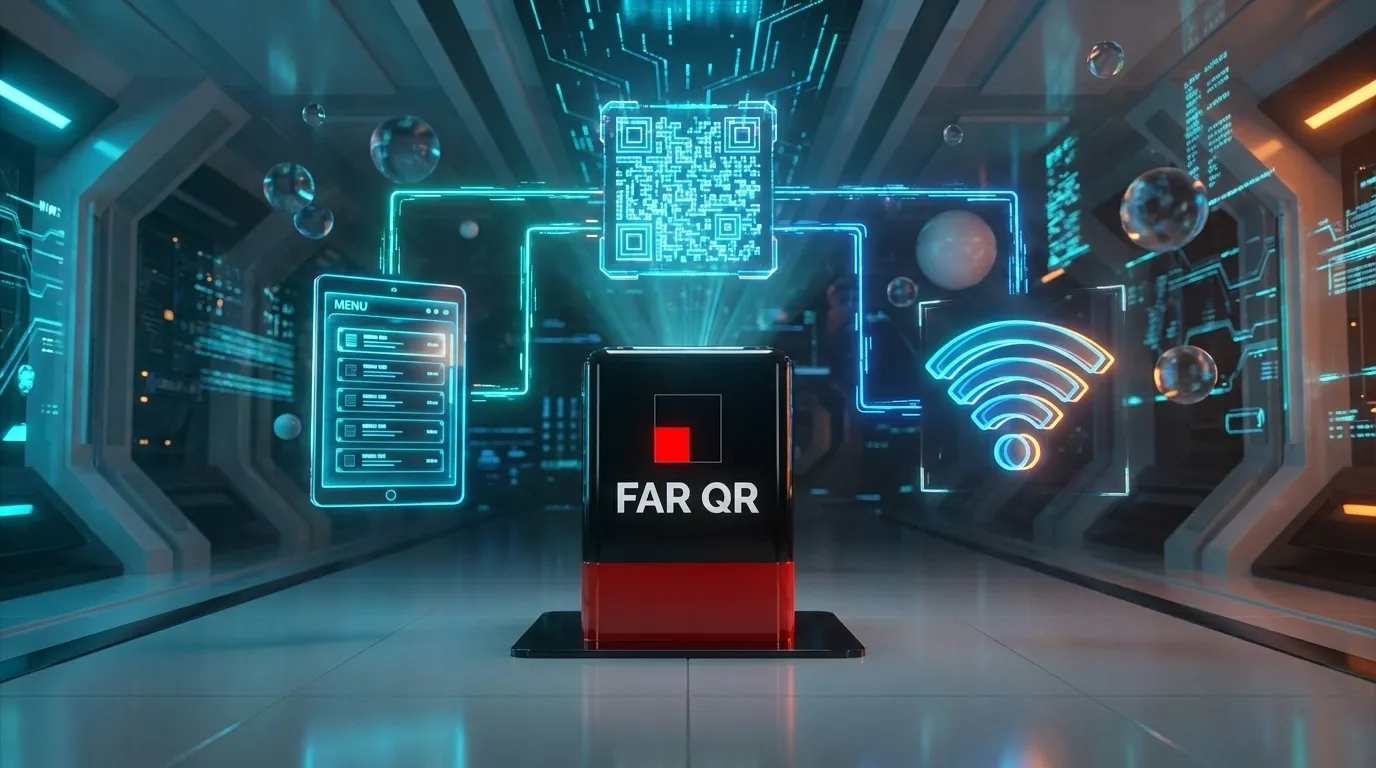 Visually, a QR code consists of black squares arranged on a white grid, distinguished by prominent “fiducial markers” (positioning patterns) located in the corners. Imaging devices, such as cameras, scan the code and process it using Reed–Solomon error correction algorithms, which allows the data to be interpreted even if the image is partially obscured or damaged. Unlike traditional barcodes, which store data linearly, QR codes extract information from patterns present in both the horizontal and vertical components, resulting in significantly higher storage capacity. While standard barcodes typically hold product identifiers, QR codes can store complex data including locators, identifiers, and web tracking links. To maximize efficiency, the system utilizes four standardized encoding modes: numeric, alphanumeric, byte/binary, and Kanji. Due to its rapid readability and superior data capacity, the QR system has expanded far beyond the automotive industry, becoming essential in document management, marketing, and product tracking.
History: Inspired by the Game of Go
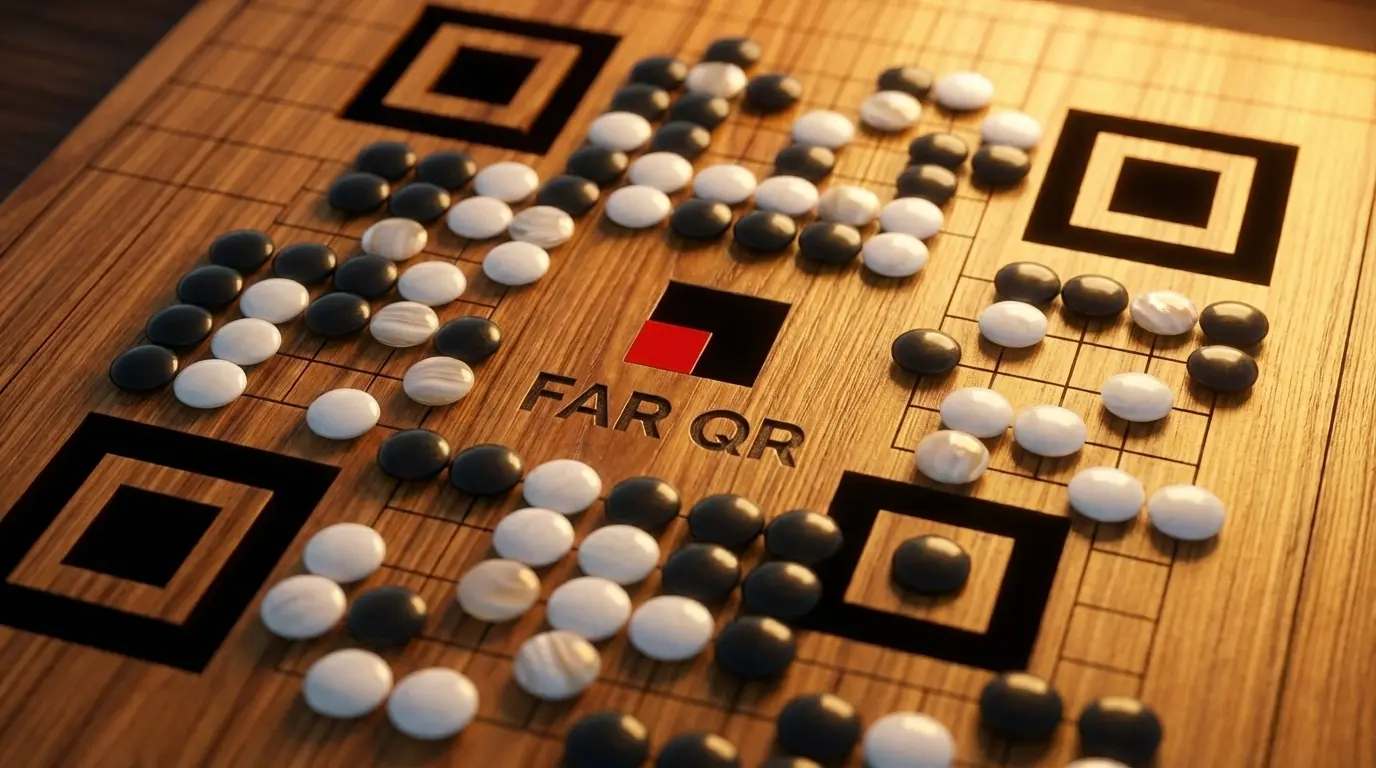
The QR code system was developed in 1994 at Denso Wave to address the inefficiencies of scanning multiple barcodes on a single box of auto parts. The engineering team sought a solution that could consolidate all data into a single label. 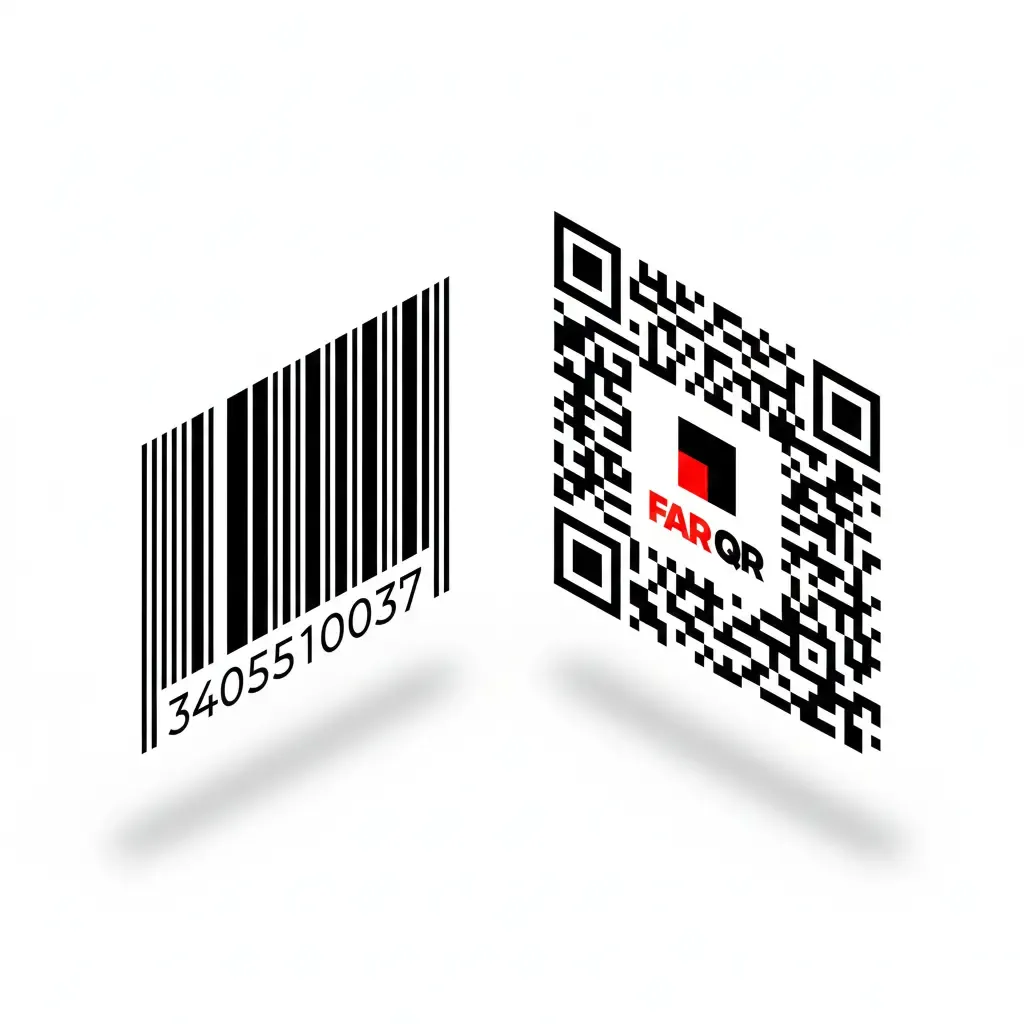 A fascinating detail in its development is that the alternating square design was inspired by the black and white stones on a “Go” board. To ensure high-speed reading, Masahiro Hara’s team analyzed printed materials to find the least common ratio of black-to-white areas. They determined that a ratio of (1:1:3:1:1) enabled the scanner’s position detection markers to function most accurately, distinguishing the code from background noise.
Explosion and Adoption
Although invented in the 90s, the QR code did not achieve mass adoption until the smartphone era. 2011: Approximately 14 million mobile users in the US scanned QR codes, a demographic skewed heavily toward young men. 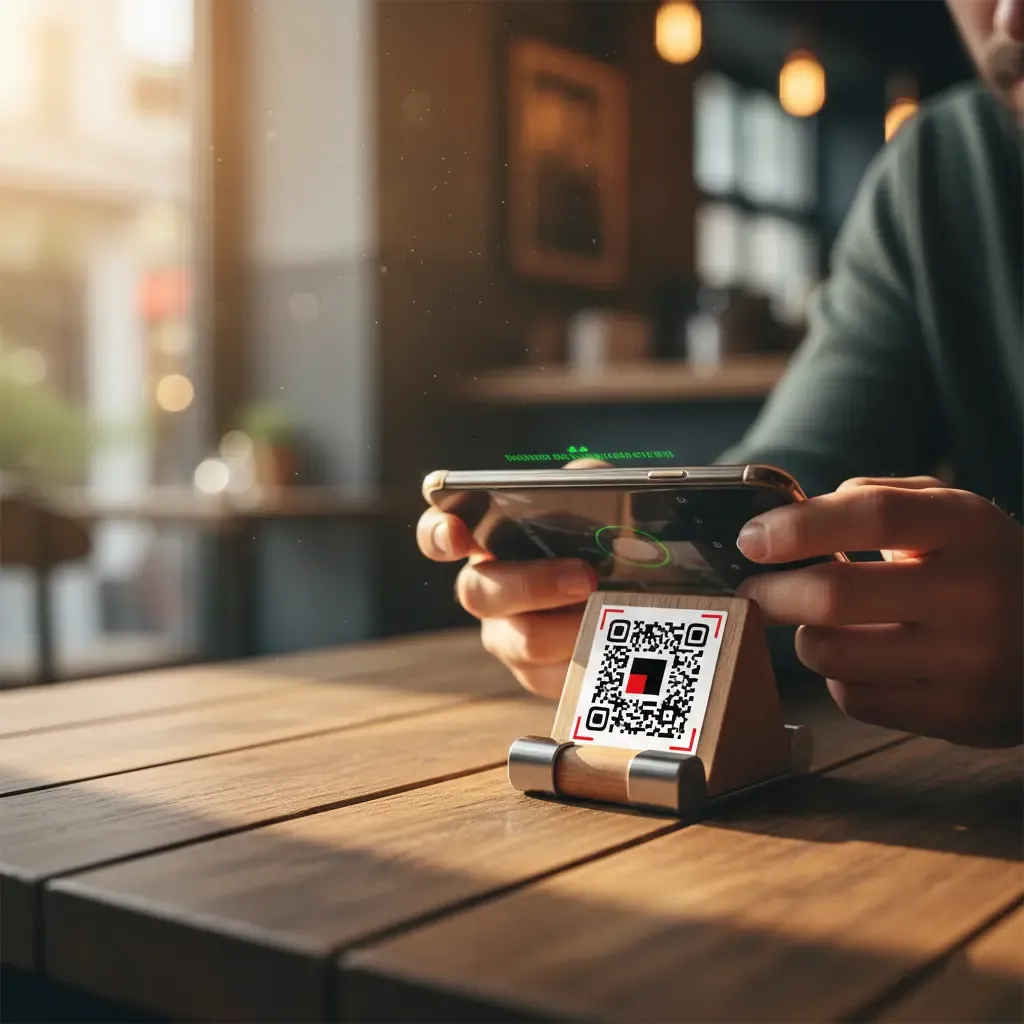 The COVID-19 Catalyst (2020): The pandemic served as a major turning point. With the urgent need for contactless interactions, a September 2020 survey indicated that nearly 19% of consumers in the UK and US noticed a sharp increase in QR code usage. 2022: Usage skyrocketed, with 89 million Americans scanning codes (a 26% increase from 2020), primarily for digital payments and accessing restaurant menus. As of 2024, QR codes are ubiquitous in “mobile tagging.” From connecting to Wi-Fi networks and opening websites to saving vCard contacts and composing emails, the QR code has solidified its position as the most widely used two-dimensional code in the world.!